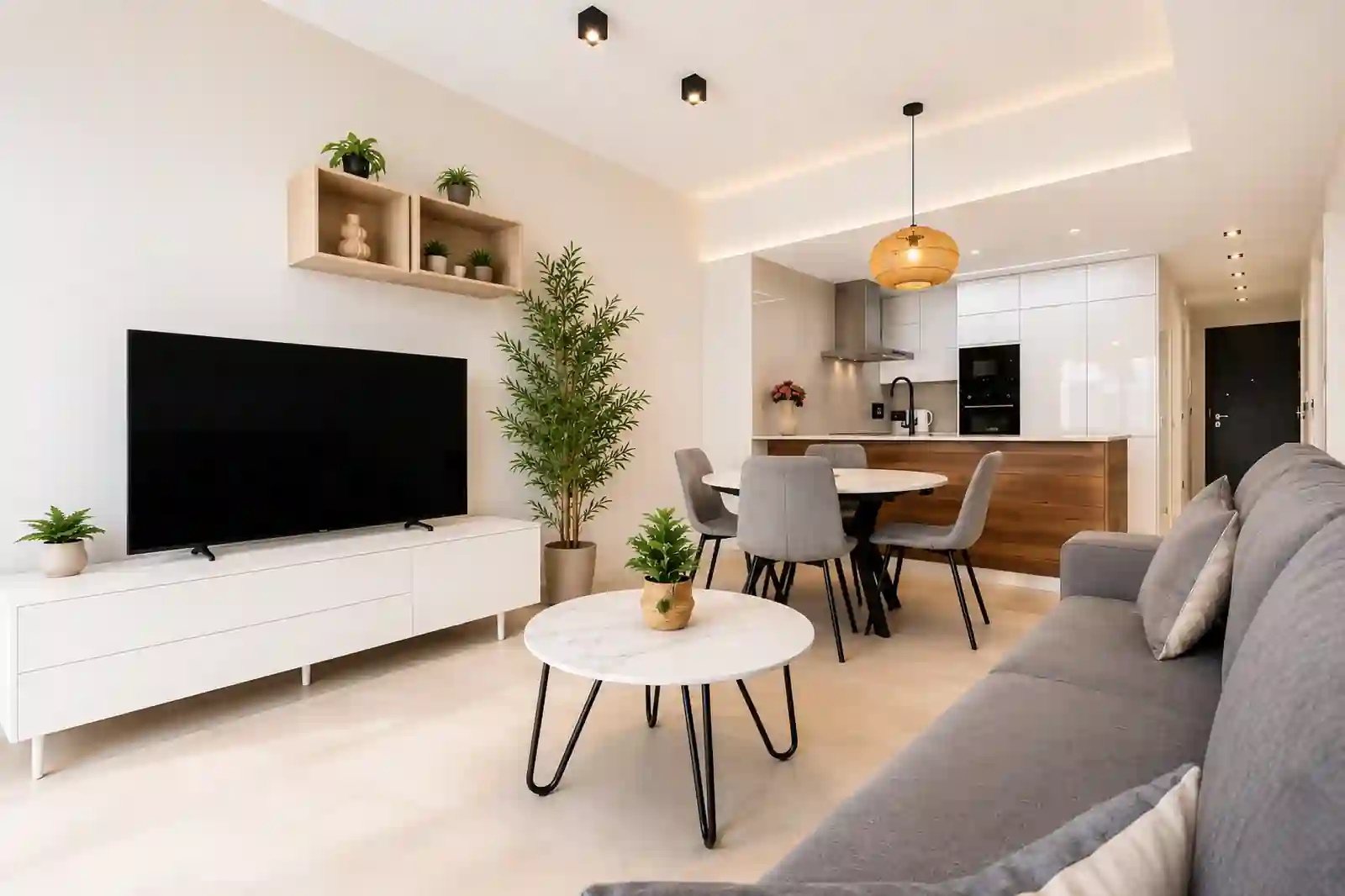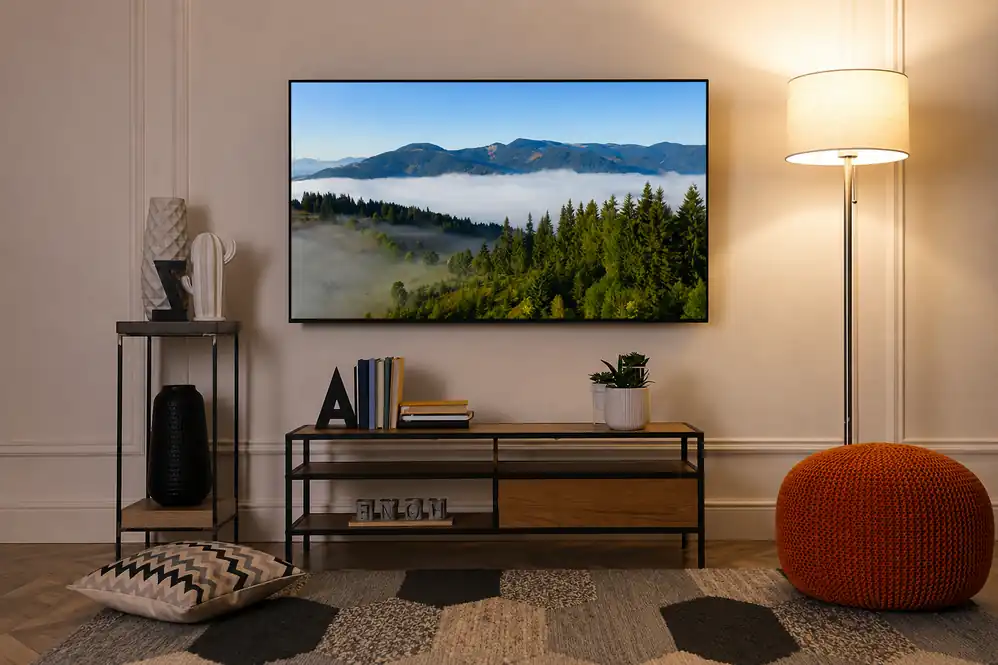



Buying a TV sounds easy until you actually start looking. But choosing between different TV sizes has less to do with trends and more to do with balance. Your seating distance matters, wall space matters, and even the layout of your sofa changes how comfortable the setup feels.
And then there’s the visual side of things. A TV is not just electronics anymore. It becomes part of the interiors. Sometimes the focal point. A well-sized screen can make the entire room feel polished. A badly sized one? Feels awkward every single day.
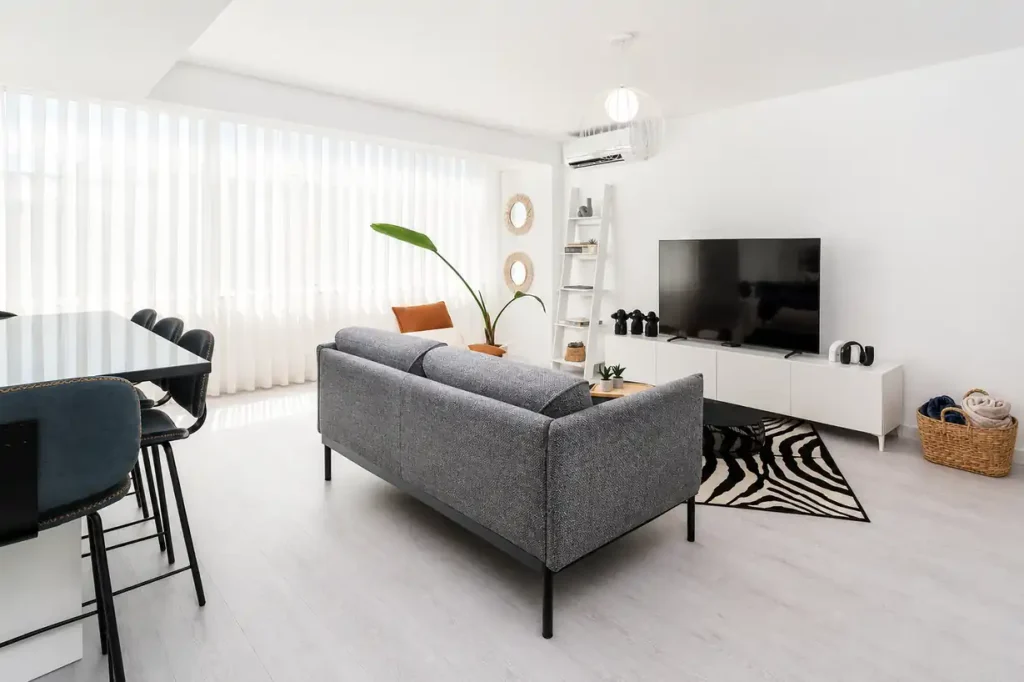
Most homeowners think bigger automatically means better. But that’s not always the case. A huge screen in a compact room can feel exhausting to watch, especially if the sofa is placed too close. On the flip side, very small screens often disappear visually in larger spaces. The room ends up looking incomplete, almost like something is missing from the wall.
That’s why comparing television sizes properly matters before buying anything. The TV should work with the room, not compete with it.
In smaller Mumbai homes, space can be a limited and important commodity. Interior designers in Mumbai recommend standard TV sizes in such homes, as they usually feel more natural and keep the room visually balanced. Larger layouts and open-plan living areas, though, can handle large TV sizes much more comfortably.
People also forget how much a TV affects the overall mood of a space. The size changes proportions. It changes visual weight. Even your wall décor and lighting setup start looking different around it. A proper TV size comparison is not just about screen inches. It is about comfort, layout, and aesthetics all working together.
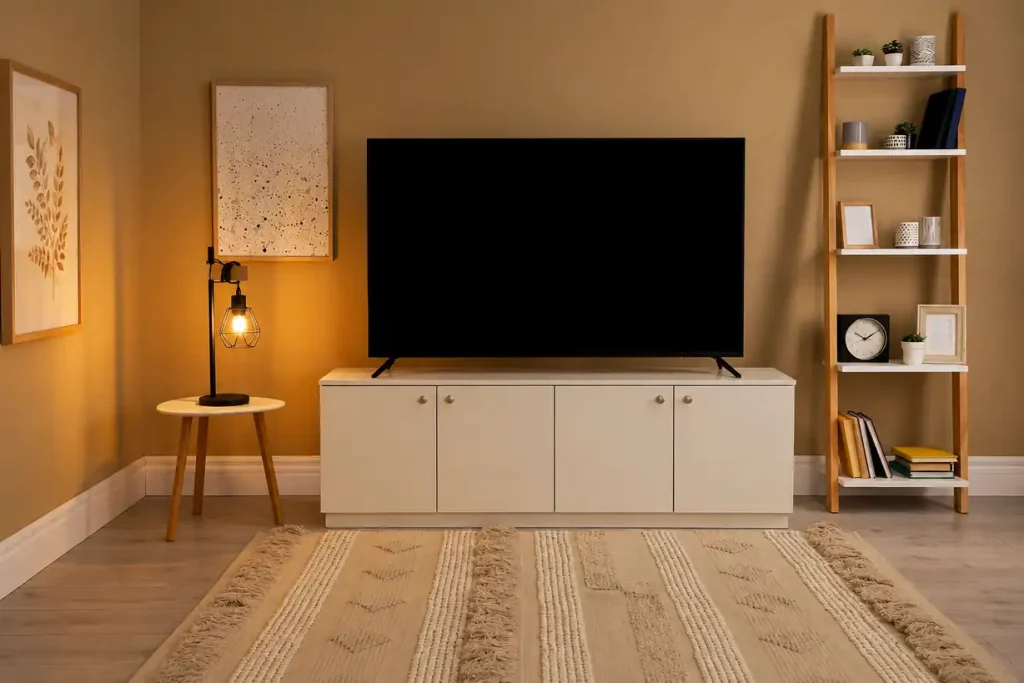
Before checking prices or watching comparison videos online, grab a measuring tape. Start with the obvious things:
Modern TV sizes can feel very different in person compared to how they look online. A sleek bezel design can make one screen appear much larger than another, even when both have the same inch size.
You should also pay attention to actual TV dimensions instead of relying only on diagonal screen measurements. A lot of homeowners assume a 55-inch TV means the width is 55 inches. However, the size of TVs is measured diagonally.
That is why checking exact TV dimensions in mm becomes useful, especially if you are planning custom wall panelling or a fitted entertainment unit. Some homeowners also compare TV sizes in cm because it feels easier while discussing layouts with designers or carpenters.
A simple room breakdown usually helps:
A comfortable TV size and viewing distance ratio make movies feel immersive without forcing your eyes to constantly adjust. When the screen is too large for the space, watching becomes tiring surprisingly fast.
| Viewing Distance | Recommended TV Size |
|---|---|
| 4 to 6 ft | 32 to 43 inch |
| 6 to 8 ft | 50 to 55 inch |
| 8 to 10 ft | 65 inch |
| 10+ ft | 75 inch and above |
This TV size chart gives a decent starting point before comparing brands or features. You will also come across a LED TV size chart while browsing online stores. Some websites even organise products according to viewing distance now, which honestly makes shopping much easier.
A lot of buyers also search using a TV inches list when comparing brands side by side.
Ever sat on the side corner of a sofa and noticed the screen suddenly looks dull? That’s the viewing angle issue. Some TVs lose colour accuracy or brightness when viewed from the side, which becomes noticeable in larger seating layouts or open-plan homes.
Different LED TV sizes can perform very differently depending on the display technology being used. If your living room has multiple seating spots, wider viewing angles become important. Natural light looks great in a living room until sunlight starts bouncing directly off the screen every afternoon.
Another mistake people constantly make? Mounting the TV too high. It looks stylish for about two days, then your neck starts complaining. The centre of the screen should ideally sit close to eye level while seated. For tighter layouts, small TV sizes usually feel more comfortable because viewers naturally sit closer to the screen.
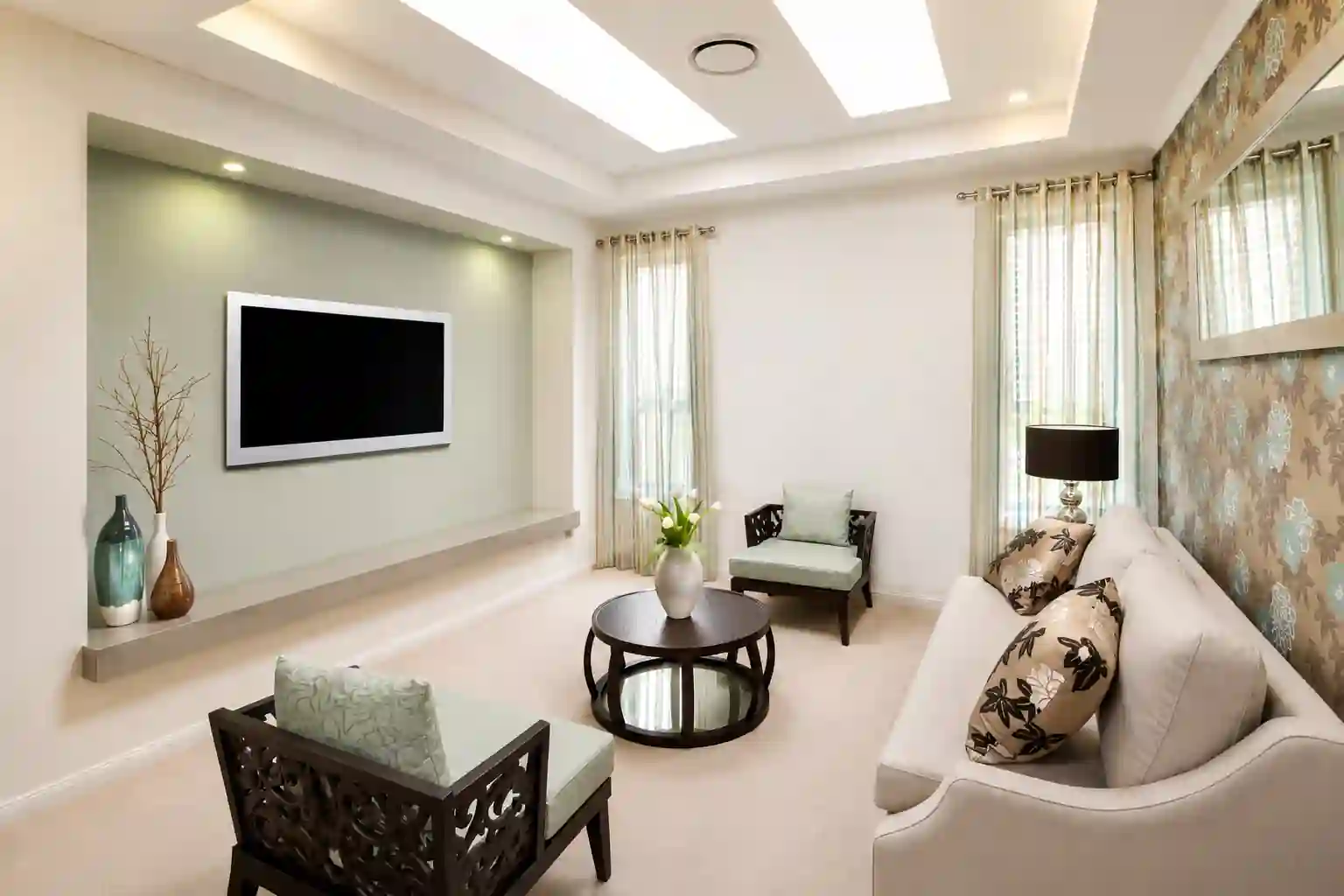
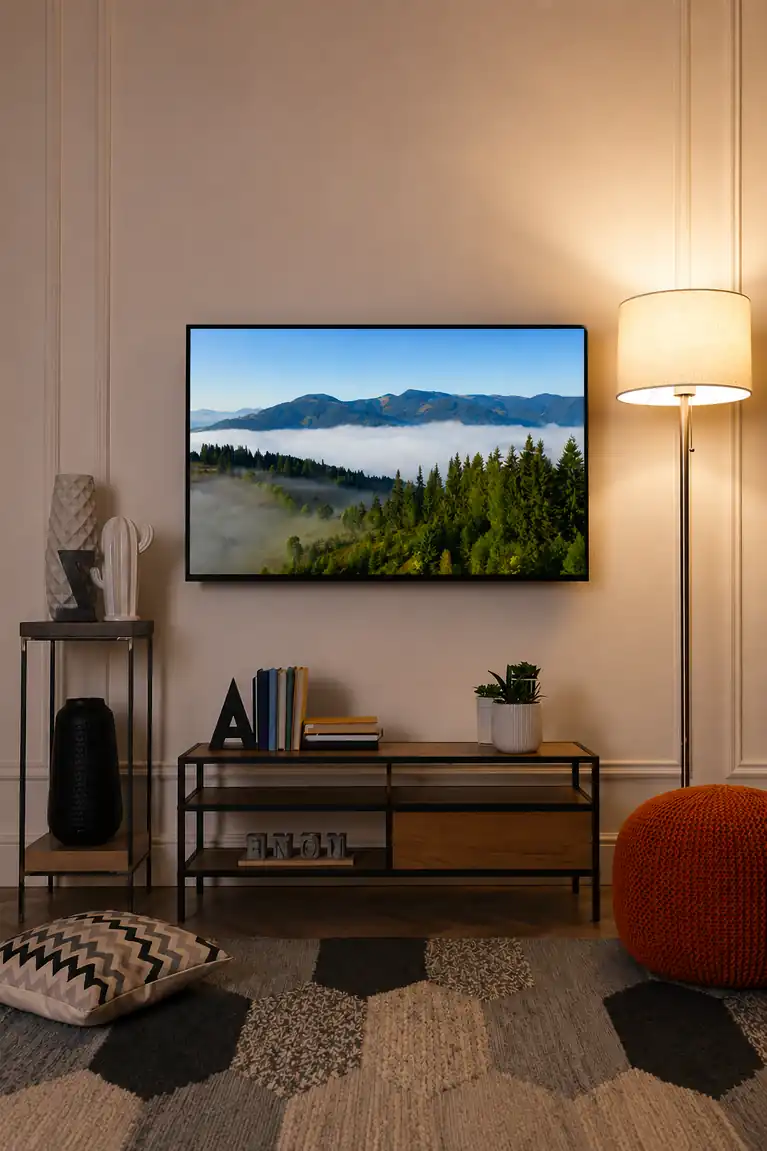
A TV setup should feel visually connected to the room. If the screen looks too big for the console underneath, the whole setup starts feeling off-balance. Similarly, tiny TVs floating on massive feature walls can make the space feel unfinished.
When comparing different sizes, think about the surrounding elements too:
Many homeowners now design entertainment units around exact TV dimensions so everything aligns properly. This becomes even more important while planning for the biggest TV size options because oversized screens need stronger visual framing.
Setting a realistic budget early helps narrow the options. Also remember, the TV itself is rarely the only expense.
A lot of homeowners researching TV sizes in india focus only on the screen price and forget the surrounding setup costs. There are good options available across different LED TV sizes today, whether you want a simple apartment setup or a premium entertainment wall.
And honestly, you do not always need the biggest TV size available. A thoughtfully placed 55-inch TV usually feels far better than an oversized screen forced into a compact room.
Not everyone uses a TV the same way. Some families mainly stream movies and shows. Others use the TV for gaming, sports, or casual background viewing during the day.
A proper TV size guide should go beyond dimensions and include usability too. A few things worth checking before buying:
Larger television sizes usually consume more power, so efficiency becomes important over time. Families building entertainment-focused living rooms often prefer large TV sizes for a more immersive experience, while minimalist homes usually benefit from cleaner, compact setups.
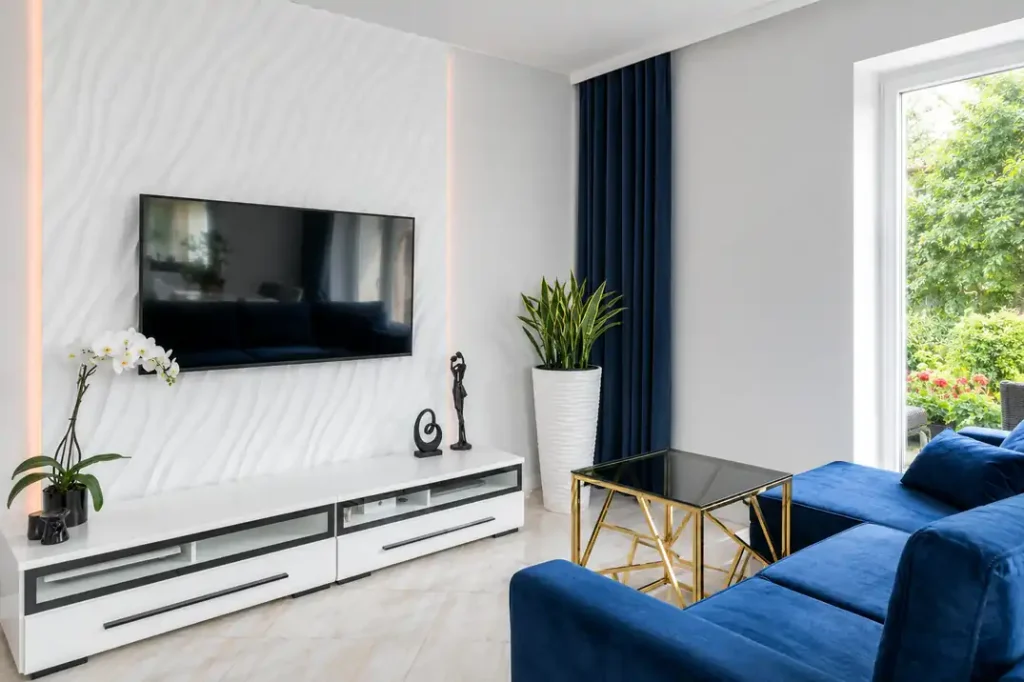
Using a proper TV size chart before purchasing helps avoid most of these problems. And no, the biggest screen is not automatically the best one. Balanced setups almost always feel more comfortable in real homes.
Bonito Designs helps homeowners create living rooms that feel functional, visually balanced, and tailored to modern lifestyles. Whether you want a minimalist setup or a full entertainment wall, the right layout can completely change the way your living room looks and feels. And honestly, that’s the real goal here. Book a consultation today!